
Launching a new website is only the first step toward building an online presence. The real challenge begins when you try to get your website visible on Google. Many website owners publish content and wait for traffic, only to discover that ranking on Google requires a clear strategy and consistent effort.
If you’re wondering how to rank a new website on Google in 2026, you’re not alone. Every year, millions of websites are launched, but only a small percentage manage to generate significant organic traffic. The difference between successful websites and those that remain invisible is usually SEO.
Search Engine Optimization (SEO) helps Google understand your website, determine its relevance, and decide whether it deserves a place on the first page of search results.
In this guide, you’ll learn the exact steps needed to rank a new website on Google, even if you’re starting from zero.
Before learning how to rank a new website on Google, it’s important to understand why new websites struggle.
Google prioritizes websites that demonstrate:
- Expertise
- Trustworthiness
- Authority
- High-quality content
- Positive user experience
A newly launched website typically has:
- No backlinks
- No domain authority
- Limited content
- No brand recognition
- No user engagement history
This period is often referred to as the “Google Sandbox,” where new websites may take time to earn trust.
The good news is that websites that consistently follow SEO best practices can gradually improve their rankings and traffic
How to Rank a New Website on Google: Step-by-Step Guide
1. Start With Proper Keyword Research
Keyword research is the foundation of SEO.
Many beginners make the mistake of targeting highly competitive keywords such as:
- Digital Marketing
- SEO Services
- Content Marketing
Instead, focus on long-tail keywords that have lower competition and higher conversion potential.
Examples:
- How to rank a new website on Google
- SEO tips for new websites
- Local SEO for small businesses
- Beginner SEO checklist
Long-tail keywords are easier to rank for because fewer websites are targeting them.
Use tools such as:
- Google Keyword Planner
- Ubersuggest
- Ahrefs
- SEMrush
- Google Search Suggestions
Choose keywords that have clear search intent and align with your audience’s needs.
2. Create High-Quality Content Consistently
Content remains one of the strongest ranking factors in 2026.
Google wants to provide users with accurate, useful, and comprehensive answers.
When creating content:
- Solve real problems
- Answer common questions
- Include examples
- Add statistics when possible
- Use simple language
- Cover topics in depth
A good content strategy is to create topic clusters.
For example:
Main Topic:
SEO for Beginners
Supporting Articles:
- How to rank a new website on Google
- On-page SEO checklist
- Technical SEO guide
- Keyword research guide
- Link building strategies
This structure helps establish topical authority.
3. Optimize Every Page for On-Page SEO
On-page SEO helps search engines understand your content.
Make sure each page includes:
- Focus keyword in title
- Focus keyword in URL
- Focus keyword in first paragraph
- Focus keyword in H1
- Related keywords in H2s
- Internal links
- Optimized images
- Meta description
For example:
URL:
yourwebsite.com/how-to-rank-a-new-website-on-google
Title:
How to Rank a New Website on Google in 2026
This improves relevance and helps Google identify your page topic.
How to Rank a New Website on Google Using Technical SEO
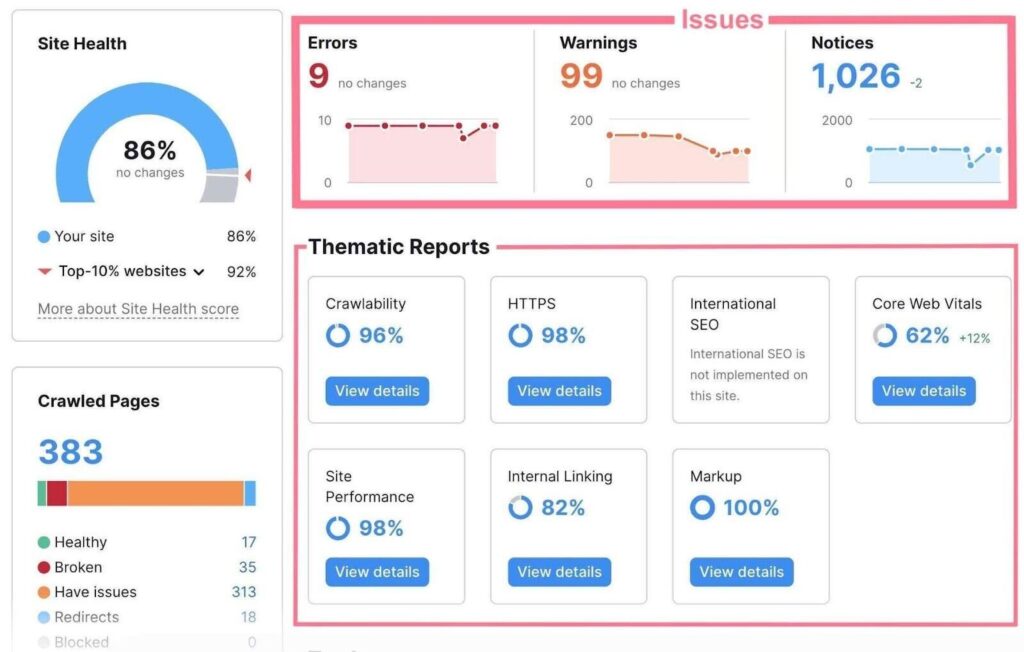
Technical SEO ensures search engines can crawl and index your website efficiently.
4. Improve Website Loading Speed
Website speed directly affects user experience and rankings.
A slow website can increase bounce rates and reduce conversions.
To improve speed:
- Compress images
- Use caching
- Choose reliable hosting
- Remove unnecessary plugins
- Use a CDN
Google prefers websites that load quickly on both desktop and mobile devices.
5. Make Your Website Mobile-Friendly
More than half of internet traffic comes from mobile devices.
Google uses mobile-first indexing, meaning it primarily evaluates the mobile version of your website.
Ensure your website:
- Uses responsive design
- Loads quickly on mobile
- Has readable fonts
- Has clickable buttons
- Provides a smooth user experience
A poor mobile experience can hurt rankings significantly.
6. Submit Your Website to Google Search Console
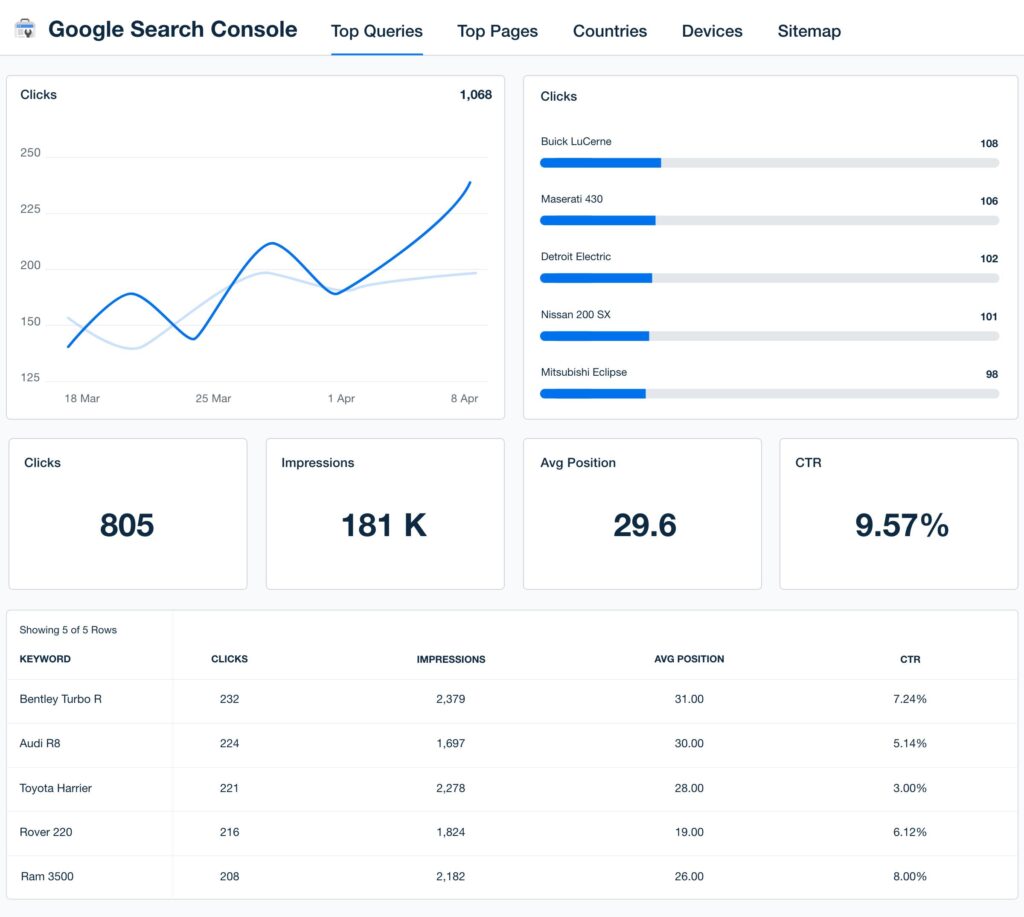
Google Search Console is one of the most important SEO tools.
Benefits include:
- Indexing requests
- Performance tracking
- Error monitoring
- Keyword insights
- Sitemap submission
After launching your website:
- Verify ownership.
- Submit your XML sitemap.
- Monitor indexing status.
- Fix crawl errors.
This helps Google discover your pages faster.
7. Create an XML Sitemap
An XML sitemap acts as a roadmap for search engines.
It tells Google:
- Which pages exist
- When pages were updated
- Which pages are important
Most SEO plugins automatically generate XML sitemaps.
Once created, submit it through Google Search Console.
How to Rank a New Website on Google With Better Content Structure
8. Use Proper Heading Hierarchy
A well-structured article is easier for both users and search engines to understand.
Example:
H1:
How to Rank a New Website on Google
H2:
Keyword Research
H2:
Technical SEO
H3:
Page Speed
H3:
Mobile Optimization
This structure improves readability and SEO.
9. Add Internal Links
Internal linking is one of the most overlooked SEO strategies.
Benefits include:
- Better crawlability
- More page authority distribution
- Improved user experience
- Increased session duration
Every new article should link to related articles.
For example:
A blog about keyword research can link to:
- SEO checklist
- Content marketing guide
- On-page SEO guide
This creates a strong website architecture.
10. Optimize Images for SEO
Images improve user engagement and readability.
Best practices:
- Use descriptive filenames
- Add alt text
- Compress image sizes
- Use modern formats
Example:
Bad:
IMG001.jpg
Good:
how-to-rank-new-website-google.jpg
This helps Google understand image content.
How to Rank a New Website on Google Through Backlinks
11. Build High-Quality Backlinks
Backlinks remain a major ranking factor.
A backlink is a link from another website pointing to your site.
Quality backlinks act as votes of confidence.
Ways to earn backlinks:
- Guest posting
- Industry directories
- Resource pages
- Original research
- Infographics
- Case studies
Focus on quality rather than quantity.
Ten quality backlinks can outperform hundreds of low-quality links.
12. Leverage Local SEO Opportunities
If you serve local customers, local SEO can produce faster results.
Create:
- Google Business Profile
- Local landing pages
- Location-specific content
Examples:
- SEO Services in Bhopal
- Digital Marketing Agency in Bhopal
- Local SEO Services for Small Businesses
Local keywords often have lower competition.
13. Build Topical Authority
Google increasingly rewards expertise.
Instead of publishing random articles, focus on one niche.
For example:
SEO Category:
- Keyword research
- Technical SEO
- Link building
- On-page SEO
- Local SEO
Publishing multiple articles around one subject signals expertise.
Common SEO Mistakes New Website Owners Make
Avoid these mistakes:
Targeting Highly Competitive Keywords
Trying to rank for broad keywords too early often leads to disappointment.
Publishing Thin Content
Short, low-value articles rarely perform well.
Ignoring Technical SEO
Broken pages and slow websites hurt rankings.
Keyword Stuffing
Overusing keywords can trigger spam signals.
Buying Low-Quality Backlinks
Poor backlinks can damage your website’s reputation.
How Long Does It Take to Rank a New Website on Google?
SEO requires patience.
Typical timeline:
Month 1–2:
- Indexing
- Initial content publication
Month 3–4:
- Long-tail keyword rankings
- First organic traffic
Month 5–6:
- Increased visibility
- Better keyword positions
Month 6–12:
- Stronger authority
- Competitive rankings
Results depend on competition, content quality, backlinks, and consistency.
SEO Checklist for New Websites
Before promoting your website, ensure you have:
✓ SSL certificate installed
✓ Mobile-friendly design
✓ Fast loading speed
✓ XML sitemap submitted
✓ Google Search Console configured
✓ Google Analytics installed
✓ Internal linking strategy
✓ Keyword research completed
✓ High-quality content published
✓ Backlink acquisition plan
Final Thoughts: How to Rank a New Website on Google Successfully
Learning how to rank a new website on Google in 2026 is not about finding shortcuts. It’s about building a strong foundation through keyword research, content creation, technical SEO, internal linking, and quality backlinks.
Google rewards websites that consistently provide value to users. If you focus on creating helpful content, optimizing your website properly, and building authority over time, you can achieve sustainable rankings and organic traffic growth.
The most successful websites are not always the oldest websites. They are the websites that consistently solve problems, answer questions, and provide the best experience for users.
Start implementing these strategies today, and your website will be positioned for long-term SEO success.